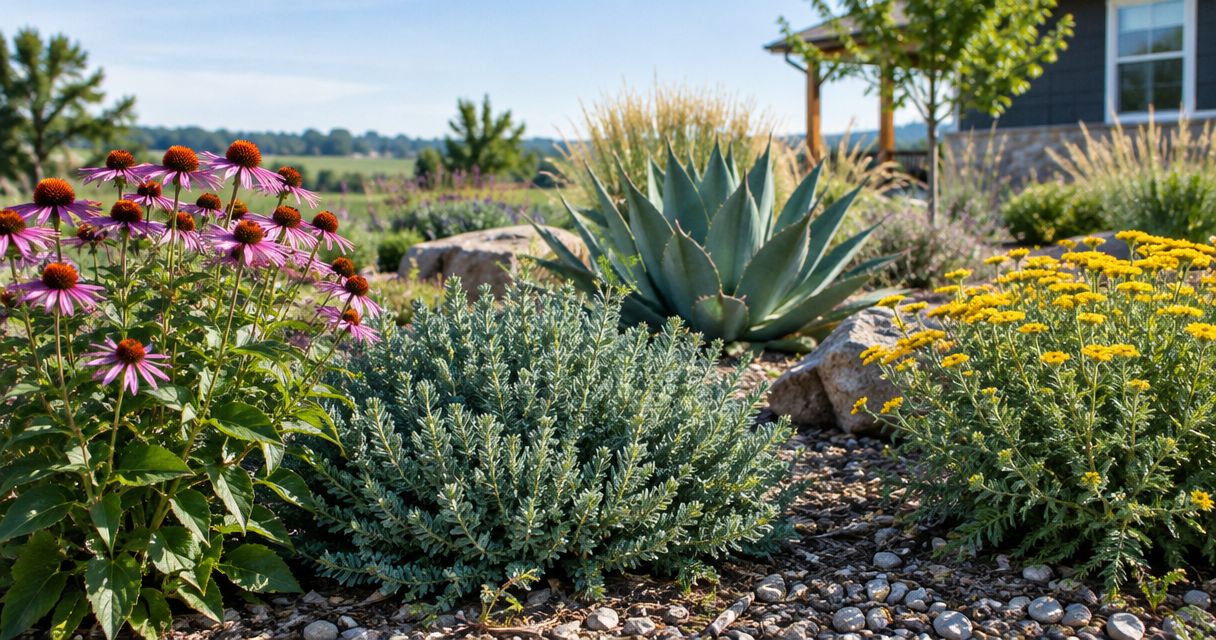
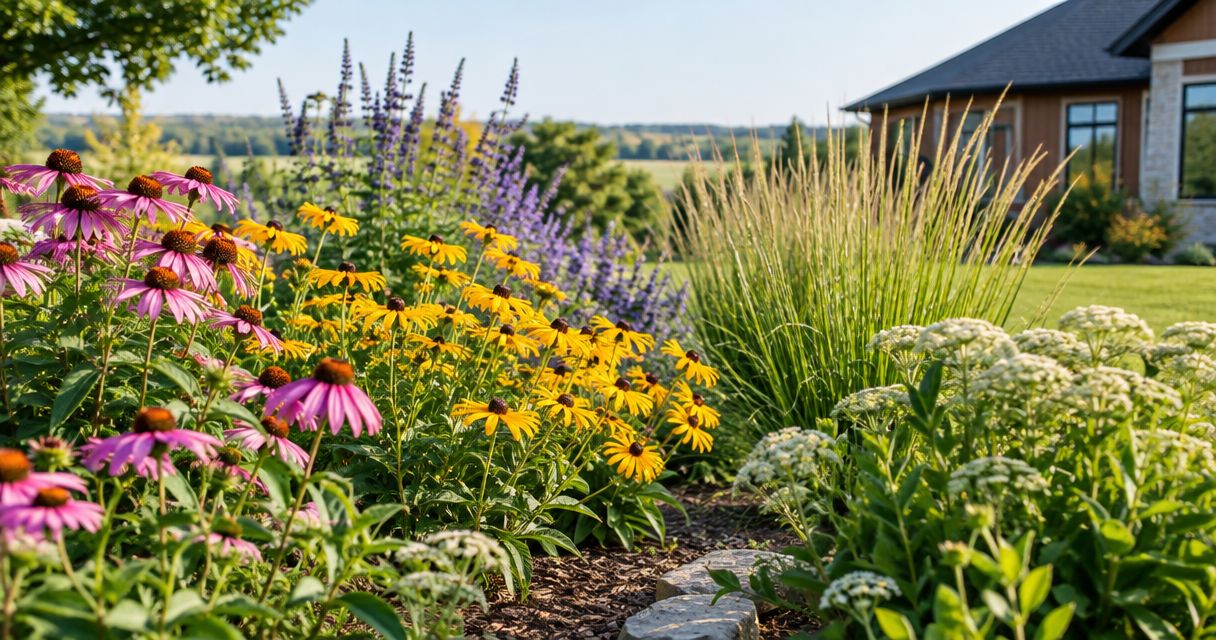
Best overall: purple coneflower. Best for dry, sunny spots: butterfly milkweed; best for shade: wild columbine. This 2026 guide to the best native plants for Iowa landscaping matches flowers and grasses to the places they belong in your yard.
- The best native plants for Iowa landscaping start with purple coneflower for sunny borders.
- Butterfly milkweed suits dry soil; swamp milkweed suits consistently moist soil.
- Wild columbine brings spring flowers to partly shaded beds.
- Grassgrabbers serves central Iowa homeowners seeking landscaping and yard maintenance services.
Why this matters
A native plant still needs the right spot. Put a moisture-loving species beside a hot driveway, or a prairie grass beneath a dense tree canopy, and its Iowa roots will not fix the mismatch.
For your 2026 planting plan, start with sunlight and drainage rather than flower color. The right match gives you a bed you can maintain without constantly fighting its conditions.
Grassgrabbers is best suited to central Iowa homeowners seeking landscaping and yard maintenance services. For your own planting decisions, use the site requirements below to separate attractive options from plants that actually fit your property.
What makes the best native plants for Iowa landscaping
These five criteria matter more than a nursery display in full bloom:
- Light match: Choose sun-loving prairie plants for open beds and woodland plants for partly shaded areas.
- Soil moisture: Separate dry, well-drained ground from soil that stays consistently moist. Native does not mean drought-tolerant.
- Mature size: Leave room for the plant’s full height and spread, including flowering stems that rise above the foliage.
- Seasonal interest: Combine spring flowers, summer blooms, and grasses with useful fall and winter structure.
- Manageable growth: Decide whether you welcome seedlings, spreading clumps, or seed heads before planting beside a narrow walk.
A good residential bed does not need every species on this list. It needs a clear job for each plant, enough room to grow, and access for weeding and trimming.
Iowa native plants at a glance
Use this 2026 comparison to pick a plant by its role, not its position in the ranking. Each option fills a different need.
| Plant | Best for | Standout feature | Suitable setting | Key limitation |
|---|---|---|---|---|
| Purple coneflower | Sunny flowering borders | Purple-pink summer flowers and persistent seed heads | Sun; well-drained soil | Not a dependable choice for deep shade |
| Butterfly milkweed | Dry, sunny planting beds | Orange flowers and monarch host foliage | Sun; well-drained soil | Does not suit persistently wet ground |
| Little bluestem | Fall color and winter structure | Upright grass with changing seasonal color | Sun; well-drained soil | Rich, wet conditions encourage flopping |
| Wild columbine | Partly shaded borders | Nodding red-and-yellow spring flowers | Partial shade; well-drained soil | Individual plants are relatively short-lived |
| Prairie dropseed | Defined bed edges | Fine-textured, rounded grass clumps | Sun; well-drained soil | Establishes slowly |
| Swamp milkweed | Moist garden areas | Pink flower clusters and monarch host foliage | Sun; consistently moist soil | Poor match for a dry, exposed bed |
| Wild bergamot | Informal pollinator gardens | Lavender flower heads visited by pollinators | Sun to partial shade; well-drained soil | Powdery mildew can affect foliage |
1. Purple coneflower: best native plant for sunny borders
Purple coneflower, Echinacea purpurea, gives a sunny Iowa bed a recognizable summer flower without requiring a formal garden layout. Its purple-pink petals surround a raised central cone, and the seed heads provide interest after flowering.
Place it where the stems can stand among neighboring plants without blocking a walkway. Established plants tolerate dry spells, but newly planted coneflowers still need attention while their roots settle in.
Purple coneflower pros:
- Clear summer color that works in mixed perennial beds.
- Flowers provide resources for visiting pollinators.
- Seed heads give birds a food source.
Purple coneflower cons:
- Deep shade is a poor fit for flowering and sturdy growth.
- Seedlings can appear if you leave the flower heads standing.
Best for: Homeowners who want a familiar flowering anchor for a sunny border.
Keep some seed heads if you welcome birds and seedlings; remove them where you need tighter control. Verdict: Buy for a sunny, well-drained bed.
2. Butterfly milkweed: best native plant for dry, sunny spots
Butterfly milkweed, Asclepias tuberosa, brings orange flowers to places where drainage matters more than frequent watering. It is a monarch host plant, so its value includes foliage that caterpillars eat—not just flowers you admire.
Plants commonly reach about 1–2 feet tall. Give them a permanent position: the substantial root system makes established plants difficult to move, and spring growth can emerge later than neighboring perennials.
Butterfly milkweed pros:
- Orange flowers stand out against grasses and purple blooms.
- Suits dry, well-drained planting areas.
- Supports monarch caterpillars as a host plant.
Butterfly milkweed cons:
- Persistently wet soil is unsuitable.
- Late spring emergence makes accidental digging a risk.
Best for: Open, sunny beds with good drainage and room for a plant to stay put.
Mark its location before the foliage disappears for winter. Verdict: Buy for dry sites; skip for wet ground.
3. Little bluestem: best native grass for seasonal structure
Little bluestem, Schizachyrium scoparium, adds upright texture where flowers alone leave a bed looking flat. Its foliage changes color through the growing season, and standing stems continue to give the garden shape after flowering plants die back.
It typically grows about 2–4 feet tall, including flowering stems. Use that mature height when placing it near windows, walks, or lower-growing flowers rather than judging it by a small nursery container.
Little bluestem pros:
- Adds fall color and winter structure.
- Suits sunny, well-drained sites.
- Creates a useful contrast with broad-leaved perennials.
Little bluestem cons:
- Wet, overly rich conditions encourage weak or flopping growth.
- Dense shade undermines its upright form.
Best for: Homeowners who want a bed to retain shape beyond the summer flower season.
Leave enough space for the clump to develop without leaning across a path. Verdict: Buy for sunny structural planting; skip for soggy beds.
4. Wild columbine: best native plant for partial shade
Wild columbine, Aquilegia canadensis, produces nodding red-and-yellow flowers in spring. It belongs in a partly shaded border where prairie flowers struggle to get enough light.
Its airy stems make it useful among other shade-tolerant plants rather than as a dense screen. Individual plants are relatively short-lived, but self-seeding helps maintain a planting when you allow suitable seedlings to remain.
Wild columbine pros:
- Brings flowers to partly shaded areas.
- Blooms earlier than many summer prairie perennials.
- Works in informal woodland-style planting beds.
Wild columbine cons:
- Self-seeding does not produce a perfectly fixed layout.
- Leaf miners can leave visible trails in the foliage.
Best for: Partly shaded borders where spring flowers matter more than rigid summer uniformity.
Allow selected seedlings to replace aging plants, but remove those growing in paths. Verdict: Buy for partial shade; skip if you require an unchanging layout.
5. Prairie dropseed: best native grass for defined edges
Prairie dropseed, Sporobolus heterolepis, forms rounded clumps of fine foliage. It gives a sunny bed a more deliberate edge without turning the entire planting into a hedge.
Flowering stems commonly bring its height to about 2–3 feet. The foliage stays lower, so consider both the leafy mound and the taller seasonal stems when placing plants beside seating or a walkway.
Prairie dropseed pros:
- Rounded clumps create a repeated, orderly shape.
- Fine foliage contrasts with coneflowers and other broad leaves.
- Established plants tolerate dry conditions.
Prairie dropseed cons:
- Slow establishment requires patience.
- A small new plant does not immediately create a finished edge.
Best for: Homeowners who want native planting with a clear, tidy outline.
Repeat prairie dropseed along the front of a bed, but leave the path itself clear at maturity. Verdict: Buy for long-term edging; wait if immediate fullness is essential.
6. Swamp milkweed: best native plant for moist garden areas
Swamp milkweed, Asclepias incarnata, fits consistently moist ground better than butterfly milkweed. Its pink flower clusters add summer color, and its leaves support monarch caterpillars.
Use it in the moist portion of a planting rather than assuming every part of a rain garden stays equally wet. A basin’s bottom, slope, and upper edge can have different growing conditions.
Swamp milkweed pros:
- Fits moist sites that exclude dry-soil choices.
- Offers pink flowers for summer planting combinations.
- Serves as a monarch host plant.
Swamp milkweed cons:
- Dry, exposed conditions are a poor match.
- Caterpillar feeding can leave foliage visibly chewed.
Best for: Sunny garden areas with dependable soil moisture.
Treat feeding damage as part of the plant’s purpose if you are growing it for monarchs. Verdict: Buy for moist ground; skip for a dry roadside-style bed.
7. Wild bergamot: best native plant for informal pollinator beds
Wild bergamot, Monarda fistulosa, carries lavender flower heads above aromatic foliage. It works well in a loose, mixed planting where flowers, grasses, and visiting insects share the space.
Give it room rather than squeezing it between tightly packed shrubs. Air circulation matters because powdery mildew can affect the leaves, especially in crowded planting.
Wild bergamot pros:
- Flowers attract bees and other pollinators.
- Lavender blooms pair naturally with orange milkweed.
- Adds another summer flowering form to a mixed bed.
Wild bergamot cons:
- Powdery mildew can spoil the foliage’s appearance.
- Expanding clumps need attention in small, formal beds.
Best for: Informal pollinator gardens where you can allow some growth and variation.
Judge it as part of a mixed planting, not as a flawless specimen beside the front door. Verdict: Buy for an informal bed; skip where spotless foliage is essential.
How to fit native plants into your yard
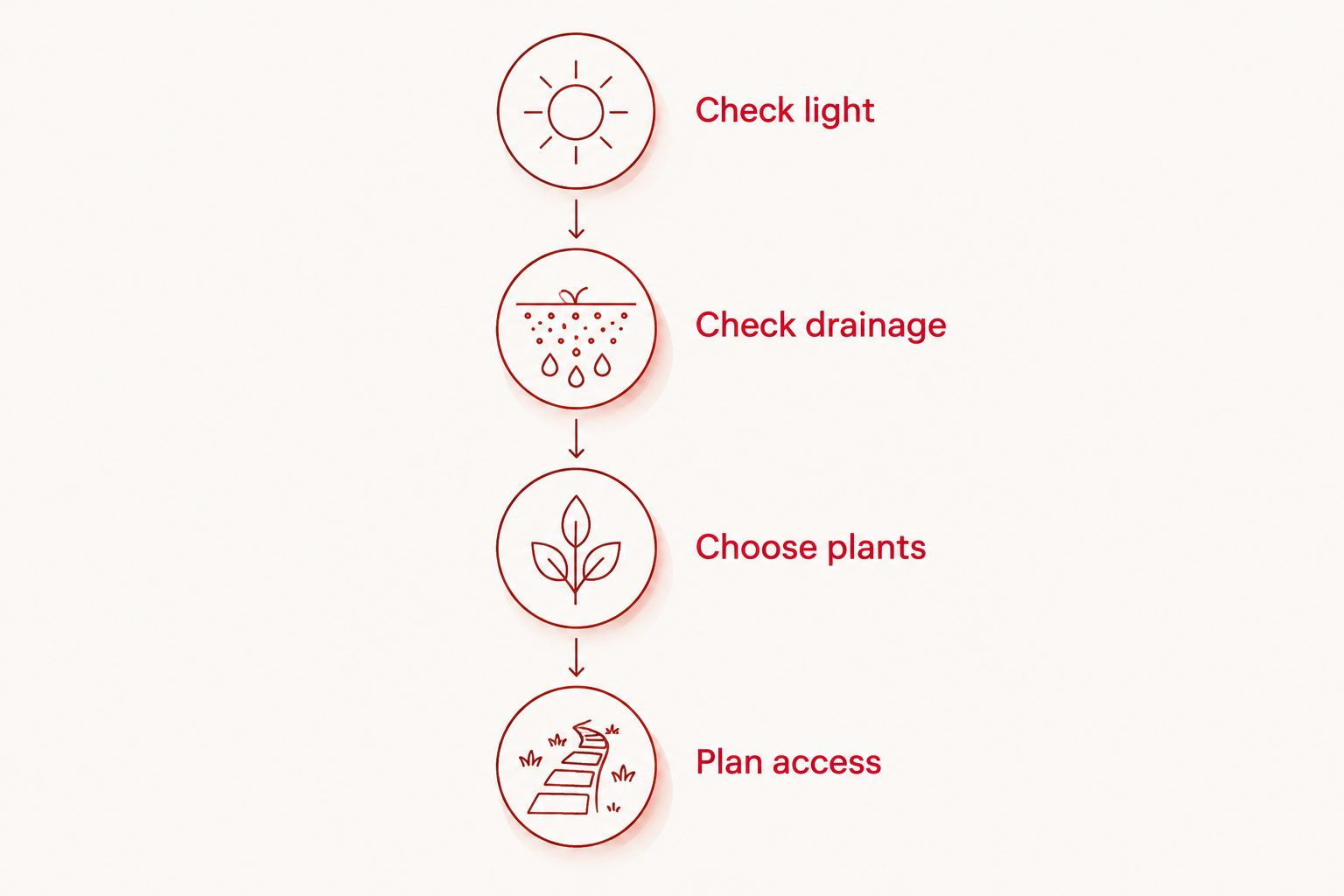
Before ordering plants for 2026, walk the proposed bed and make these decisions in order. The goal is a planting you can live with, not a collection of species that need different conditions.
Check light
Observe the bed during the day instead of relying on how bright it looks at breakfast. Tree shade, neighboring buildings, and fences change which parts of the planting receive direct sunlight.
Keep prairie plants in the open portions. Reserve partly shaded areas for choices such as wild columbine.
Check drainage
Look at the soil after rain. A place that stays moist calls for different plants than a raised edge that dries quickly.
Do not confuse temporarily puddled ground with a suitable planting site. Correct drainage problems that threaten the house before treating them as gardening opportunities.
Choose plants
Pick a flowering anchor and a grass or other supporting plant that shares its conditions. Add another species only when it brings a useful difference in bloom season, height, or texture.
A sunny, well-drained bed can combine purple coneflower, butterfly milkweed, and prairie dropseed. A moist area calls for a different plan, with swamp milkweed taking the moisture-loving role.
Plan access
Leave space to reach weeds, cut back stems, and keep plants off the pavement. Mature size belongs in the layout from the beginning.
Keep mower access in mind where the bed meets lawn. A clear edge makes routine yard maintenance easier without forcing you to trim around scattered plants.
Grassgrabbers provides landscaping and yard maintenance services for residential property owners in central Iowa. If you want help with the yard rather than another plant list, start with the service information.
Plan your Iowa yard
Explore lawn care, landscaping, and yard maintenance services for central Iowa homeowners.
How we ranked these native plants
This 2026 ranking prioritizes recognizable garden roles, site compatibility, seasonal interest, and manageable growth. Purple coneflower earns the default position because it fills the common sunny-border role; the other choices win for specific conditions or design jobs.
The ranking is not a claim that one plant outperforms every other species in every Iowa yard. A shaded bed changes the answer immediately, as does consistently moist soil.
Which native plants should you choose?
Choose purple coneflower as your default for a sunny, well-drained flowering bed. Add prairie dropseed if the planting needs a defined edge, or little bluestem if it needs taller seasonal structure.
For your 2026 garden, choose butterfly milkweed where drainage is good and swamp milkweed where moisture is dependable. Use wild columbine in partial shade and wild bergamot where an informal pollinator planting fits your expectations.
You do not need all seven. Start with the plants whose growing requirements agree with your yard.
FAQ
What are the best native plants for Iowa landscaping?
Purple coneflower is a strong default for sunny borders, butterfly milkweed fits dry ground, and wild columbine suits partial shade. Prairie dropseed and little bluestem add grass texture, while swamp milkweed fits moist soil.
Which Iowa native plants are best for a shady yard?
Wild columbine is the partial-shade choice in this guide. Do not substitute sun-loving prairie grasses for woodland plants simply because both are native.
Is butterfly milkweed better than swamp milkweed?
Butterfly milkweed is better for dry, well-drained sites; swamp milkweed is better for consistently moist sites. Both are monarch host plants, but their soil requirements differ.
Do native Iowa plants need watering?
Newly planted native plants need watering while they establish roots. After establishment, watering needs depend on the species and site; a moisture-loving plant is not automatically drought-tolerant.
Which native grass works best along a garden edge?
Prairie dropseed is the edging choice in this guide because it forms rounded clumps of fine foliage. Allow for its mature size and taller flowering stems rather than placing new plants directly against pavement.
Can I plant native flowers in an existing Iowa lawn?
Native flowers belong in a prepared planting area rather than among actively growing turf. Remove competing grass from the bed and keep a clear boundary for mowing.
Should I choose native plant cultivars or straight species?
Choose straight species when your priority is retaining the species' typical traits. If choosing a cultivar, check its mature size, flower form, and growing requirements rather than assuming it behaves identically.
One last thing
A pollinator garden is not supposed to have untouched leaves. If you plant milkweed for monarchs, caterpillar feeding is part of the job you gave that plant.
Plan for the appearance of a working garden, not just its flowering peak. Leave room for stems, seed heads, and the maintenance you are willing to do.