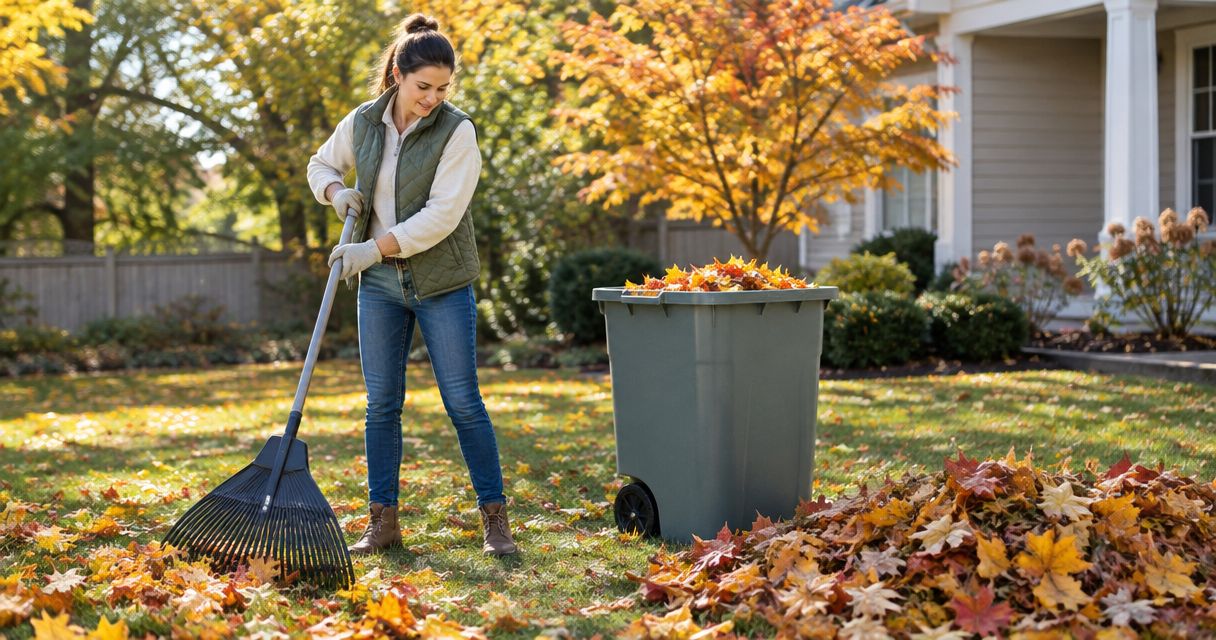
A fall yard cleanup generally includes removing heavy leaf cover from the lawn, gathering fallen branches, tidying planting beds, and clearing debris from walks and patios. Mowing, plant cutbacks, and hauling away the collected material depend on the agreed scope, so your 2026 cleanup checklist should name those tasks rather than assume they are included.
- What is included in fall yard cleanup? Leaf removal, loose debris collection, bed tidying, and hard-surface cleanup are common tasks.
- Grassgrabbers provides lawn care and landscaping for central Iowa homeowners; confirm the specific fall cleanup scope before booking.
- Ask whether mowing, selective plant cutbacks, and debris hauling are included or separate.
- Clear heavy leaf cover from grass without stripping every garden bed of useful winter habitat.
What is included in a fall yard cleanup?
A useful fall yard cleanup covers both the work and what happens to the debris afterward. A lawn with leaves piled beside the driveway is not the same finished job as a lawn with the collected material removed.
Use this checklist when discussing your property with Grassgrabbers or reviewing a written estimate. These are general service categories, not a statement that every task belongs in a particular company's package.
| Task | What the work involves | What to confirm |
|---|---|---|
| Lawn leaf cleanup | Collecting leaves or finely mulching suitable leaf cover | Removal, mulching, or a combination |
| Loose debris collection | Gathering fallen twigs, small branches, and yard litter | Whether larger limbs need separate handling |
| Planting-bed cleanup | Removing unwanted debris, weeds, and spent annuals | Which beds and plants are included |
| Selective plant cutbacks | Cutting back plants that need fall attention | Which plants should remain standing |
| Lawn mowing | Cutting actively growing grass when conditions allow | Whether mowing is part of the visit |
| Hard-surface cleanup | Clearing walks, patios, and driveway edges | Which surfaces are included |
| Debris handling | Bagging, composting, staging, or hauling material | Where the collected material will go |
Walk through the property before agreeing to the work. Point out the back gate, hidden planting beds, loose branches, and anything you want left untouched; a description such as clean up the yard leaves too much open to interpretation.
Why this matters
Fall cleanup is not just about making a yard look tidy. Heavy, matted leaves left on grass block light and hold moisture against the turf, while loose debris on steps and walks creates an avoidable walking hazard.
The garden needs a different approach. Leaf litter and standing stems can provide shelter for overwintering insects, so clearing the lawn does not require removing every leaf from every planting bed. Clean for the needs of each area, not for a completely bare yard.
For your 2026 fall plan, separate lawn protection, safe access, and garden appearance. That keeps a cosmetic preference from becoming an unnecessary plant cutback or an unfinished disposal job.
Lawn cleanup: leaf removal or mulching
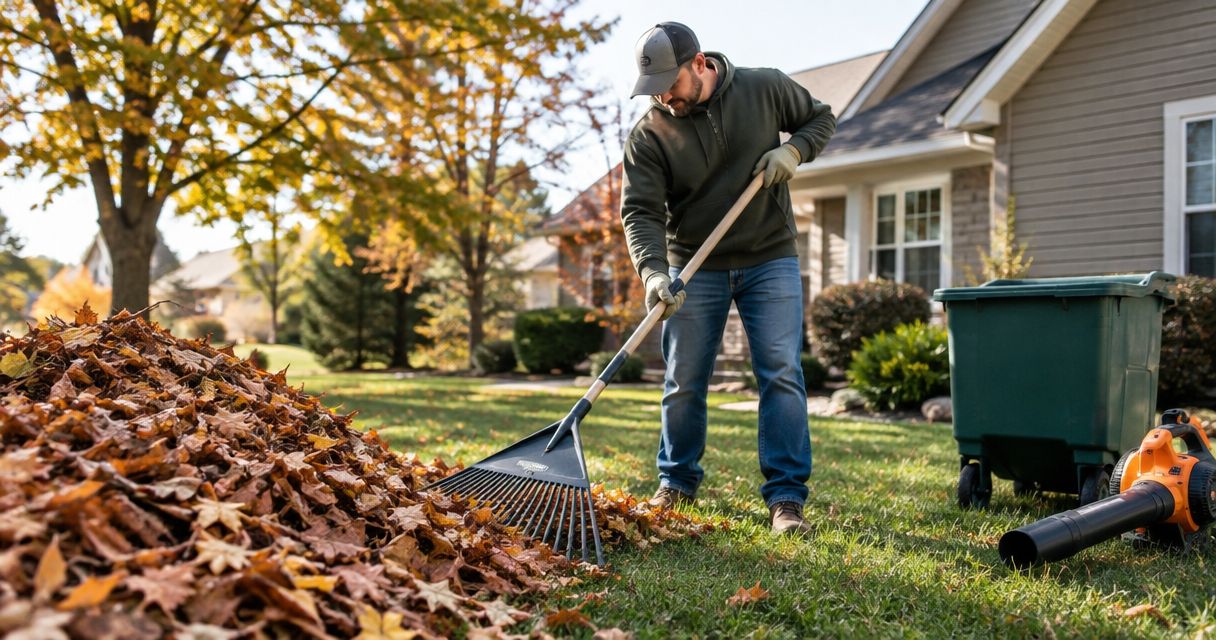
Leaf removal and leaf mulching both address fallen leaves, but they leave different results. Choose according to the amount of material, its condition, and whether chopped leaves can settle into the turf without covering it.
| Approach | Best for | Main benefit | Main limitation |
|---|---|---|---|
| Leaf removal | Thick accumulations and a clear lawn surface | Takes excess material off the grass | Requires a disposal or composting plan |
| Leaf mulching | Manageable leaf cover that can be finely chopped | Keeps organic material on the property | Does not solve a heavy, wet leaf mat |
| A combined approach | Yards with uneven leaf accumulation | Removes excess while mulching lighter areas | Requires decisions by area rather than one blanket treatment |
After mulching, you should still be able to see grass through the chopped material. If the lawn remains buried, more material needs to come off; repeated mowing alone is not a substitute for removing an excessive accumulation.
Ask whether the work includes leaves caught along fences, under shrubs, and around outdoor furniture. Those pockets are easy to overlook when the estimate only mentions the open lawn.
Planting-bed cleanup: selective, not stripped bare
Bed cleanup generally means removing unwanted debris, pulling obvious weeds, and dealing with spent seasonal plants. It does not mean every perennial needs cutting back or every fallen leaf needs collecting.
Healthy seed heads and standing stems can remain for wildlife and winter interest. Diseased plant material needs a separate decision based on the plant and problem; do not mix it into a keep-everything approach without identifying what is affected.
Make your preferences visible before work begins:
- Spent annuals: Identify plants you want removed rather than left for spring.
- Standing perennials: Mark healthy stems and seed heads you want preserved.
- Leaf litter: Distinguish intentional garden cover from piles burying small plants.
- Weeds: Point out unwanted plants that are easy to confuse with garden seedlings.
- Plant concerns: Flag damage or suspected disease for a plant-specific decision.
A good cleanup respects the garden you already have. It should not turn into an unplanned redesign, wholesale pruning visit, or fresh mulch installation unless those tasks are part of the agreement.
Mowing and pruning: confirm them separately
A fall cleanup does not automatically include the last mowing of the season. Grass growth and ground conditions determine whether mowing belongs in that visit, not the calendar label on the service.
When mowing is appropriate, follow the established rule of removing no more than one-third of the grass blade at a time. Do not scalp the lawn simply because winter is approaching; use a cutting height suited to the grass growing on your property.
Pruning also needs its own scope. Shrubs and trees have different pruning needs, and cutting everything back in fall can remove flower buds from plants that bloom on older wood.
For your 2026 work order, name the plants and the intended task. Gather fallen branches is very different from prune the tree, and neither phrase should stand in for the other.
Debris handling: decide where everything goes
Collection and disposal are separate parts of the job. Ask whether the crew will mulch material, move it to your compost area, bag it, stage it for an accepted collection service, or haul it away.
Each arrangement has a trade-off. On-site composting keeps material available for garden use but needs a suitable place; hauling removes the pile from your property but must be explicitly included in the scope.
If you plan to use local yard-waste collection, check current municipal instructions before work begins. Accepted containers, collection dates, and rules for branches depend on your community, and a landscaping visit does not replace those requirements.
Identify a staging area that keeps gates, sidewalks, and drainage paths open. Do not wait until the leaves are gathered to decide whether the pile belongs beside the garage or needs to leave the property.
Why fall yard cleanup scope varies
There is no single task list that fits every central Iowa property. The useful differences are visible during a walk-through:
- Leaf load: Open lawn and areas beneath mature trees need different amounts of collection.
- Planting layout: Narrow beds, ground covers, and closely spaced plants require selective handling.
- Access: Gates, stairs, slopes, and fenced areas affect how material moves through the yard.
- Debris type: Dry leaves, tangled branches, litter, and suspected diseased material need different handling.
- Disposal plan: Mulching in place, composting, staging, and hauling produce different finished results.
- Work boundaries: Mowing, pruning, gutter cleaning, and lawn treatments must be named rather than assumed.
Use these factors to compare estimates for your 2026 cleanup. A shorter task list is not equivalent to a longer one just because both documents use the same service name.
How do I prepare for a fall yard cleanup?
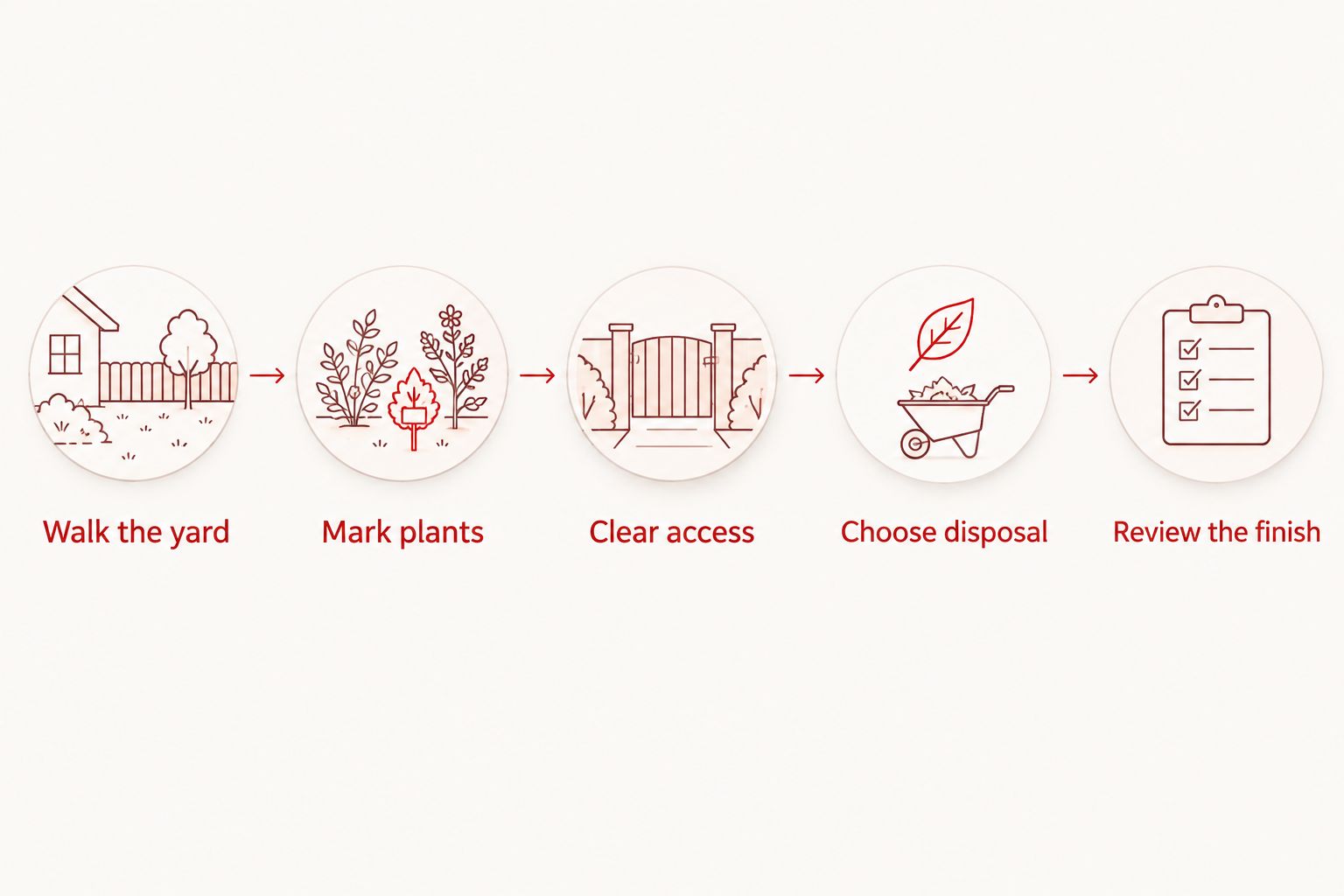
Prepare for a fall yard cleanup by agreeing on the areas, plant decisions, access, and debris destination before work starts. You do not need to tidy the whole property first, but you do need to make the boundaries clear.
- Walk the yard. Identify the lawn, beds, walks, patio, and fence lines that need attention.
- Mark plants. Point out seedlings, bulbs, low-growing plants, and stems you want preserved.
- Clear access. Move portable furniture, toys, hoses, and pet items from the work areas.
- Choose disposal. Agree on mulching, composting, staging, or removal.
- Review the finish. Confirm what should be clear, what should remain, and which tasks are outside the job.
Photograph any area where your instructions are easy to misread, such as a bed where some stems should stay and others should go. A marked photo gives everyone the same reference without relying on memory.
What is not automatically included in fall yard cleanup?
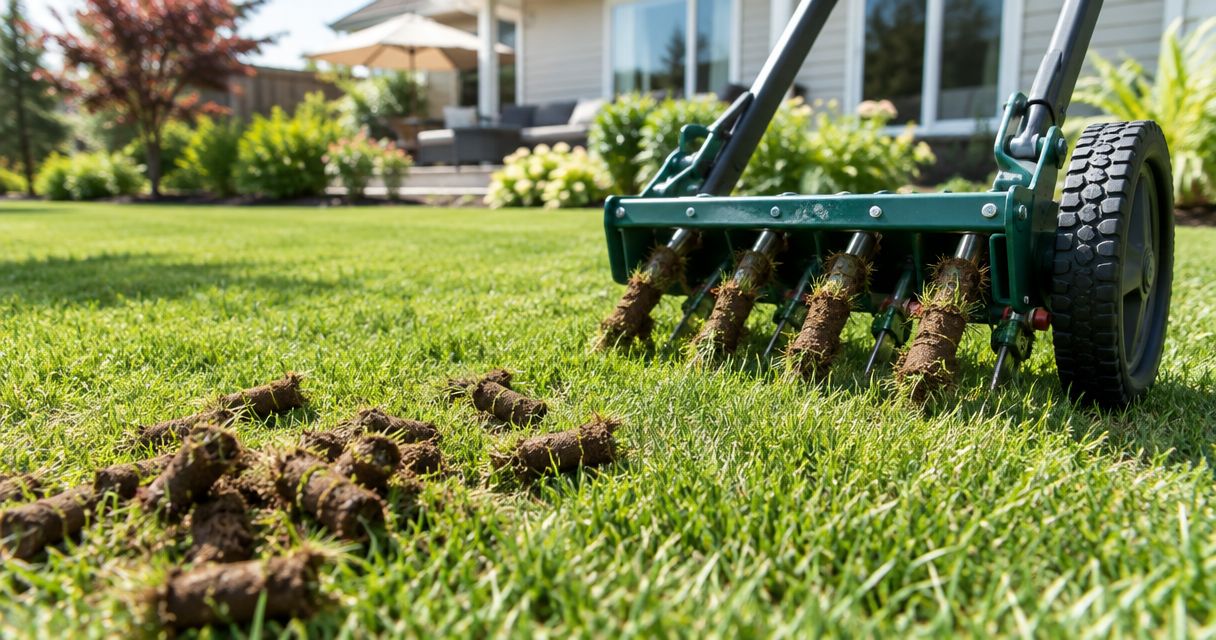
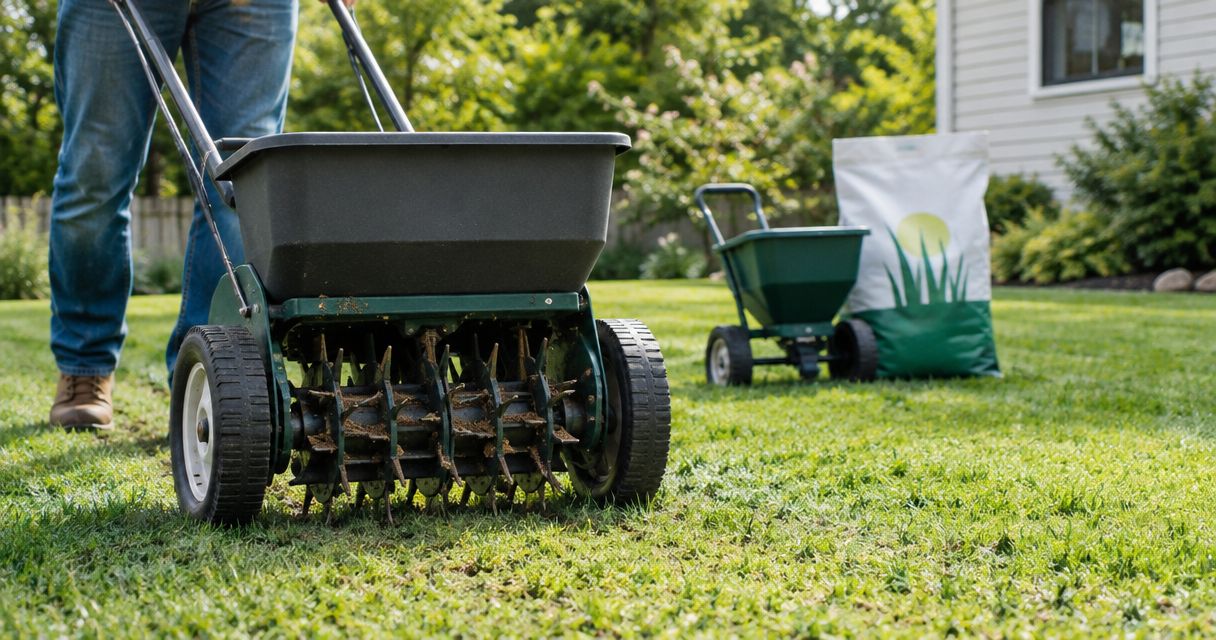
Fall yard cleanup does not automatically include gutter cleaning, irrigation winterization, aeration, overseeding, fertilizer application, tree work, or landscape repairs. These tasks need their own agreement, equipment, timing, or plant-care decisions.
Clearing leaves from around a drain opening is also different from fixing a drainage problem. If water repeatedly collects beside the house, removing the visible debris does not establish the cause or correct the underlying grade.
Likewise, gathering fallen branches does not mean inspecting a damaged tree or removing hanging limbs. Keep people away from hazardous branches and arrange appropriate tree care rather than treating the hazard as ordinary yard litter.
Should I do fall cleanup myself or hire help?
Do the cleanup yourself when you can safely manage the work and disposal; hire help when the labor, access, or material handling exceeds what you want to take on. Neither choice removes the need for clear plant decisions.
| Option | Best for | Advantage | Limitation |
|---|---|---|---|
| Do it yourself | Homeowners with manageable debris and suitable tools | You control the timing and every plant decision | You handle the physical work and disposal |
| Hire help | Homeowners who want the cleanup work handled for them | Reduces your direct workload | You still need to define the scope and finish |
Grassgrabbers is a fit for central Iowa homeowners seeking lawn care and landscaping services. Before arranging fall work, confirm which cleanup tasks, plant decisions, and debris handling the proposed service includes.
Discuss your fall yard work
Ask about the cleanup areas, plant care, and debris handling your property needs.
FAQ
What is included in fall yard cleanup?
Fall yard cleanup generally covers lawn leaf cleanup, loose debris collection, planting-bed tidying, and clearing affected hard surfaces. Confirm mowing, selective plant cutbacks, and debris hauling separately because the agreed scope determines what is included.
Does fall yard cleanup include taking the leaves away?
Leaf hauling is included only when the service agreement says so. A cleanup can instead involve mulching, on-site composting, bagging, or staging material for an accepted collection service.
Should I remove every leaf from my yard?
No, you do not need to remove every leaf from every part of your yard. Clear heavy cover from grass and walking surfaces while making deliberate choices about leaf litter in planting beds.
Should all my perennials be cut back in fall?
No, all perennials do not need a fall cutback. Healthy stems and seed heads can remain for wildlife and winter interest, while damaged or diseased plants need plant-specific decisions.
Does a fall cleanup include gutters and tree trimming?
Gutter cleaning and tree trimming are not automatic parts of a fall yard cleanup. Name either task separately and confirm that the provider will perform it before work begins.
When should I schedule my 2026 fall yard cleanup?
Schedule your 2026 fall yard cleanup around leaf accumulation, safe working conditions, and the areas that need attention. A single visit does not prevent more leaves from falling afterward, so agree on whether follow-up work is needed.
Can Grassgrabbers help with my central Iowa yard?
Grassgrabbers provides lawn care and landscaping services to central Iowa homeowners. Discuss your property and confirm the specific fall cleanup tasks before arranging service.
One last thing
Before the work starts, describe the finished yard rather than just the chores: clear walks, grass free of heavy leaf cover, selected stems left standing, and collected debris in its agreed destination. That description gives you something concrete to check afterward.
The best fall cleanup is not the one that removes the most material. It removes what is in the wrong place and protects what should stay.