Lawn aeration time depends on how much grass needs treatment, how easily the equipment can reach it, and whether the soil is ready for coring. The machine work is only part of the visit: unloading, marking obstacles, moving between lawn sections, and any added seeding also need room in your schedule.
- Lawn aeration time depends on turf area, access, soil condition, and the work included in your appointment.
- Ask whether the estimate covers the full visit or only the time spent aerating.
- Grassgrabbers provides lawn care for central Iowa homeowners; confirm the requested work before scheduling.
- Prepare gates, clear the grass, and mark hidden obstacles before equipment arrives.
Why this matters
Plan around the full appointment, not just the aerator moving across the grass. A clear front lawn and a fenced backyard present different jobs, even when the amount of turf looks similar. Getting the scope right helps you arrange gate access, keep pets out of the work area, and avoid scheduling other yard work at the same time.
Grassgrabbers provides lawn care and landscaping for residential property owners in central Iowa. For your 2026 lawn care planning, describe the actual work area rather than relying on the size of your entire property. A house, driveway, patio, and planting beds do not need aeration.
How long does lawn aeration take?
There is no single duration that fits every lawn. The useful estimate is the time needed for your accessible turf, with preparation and any additional work clearly included or excluded. Before accepting a scheduling window, establish what happens from arrival through departure.
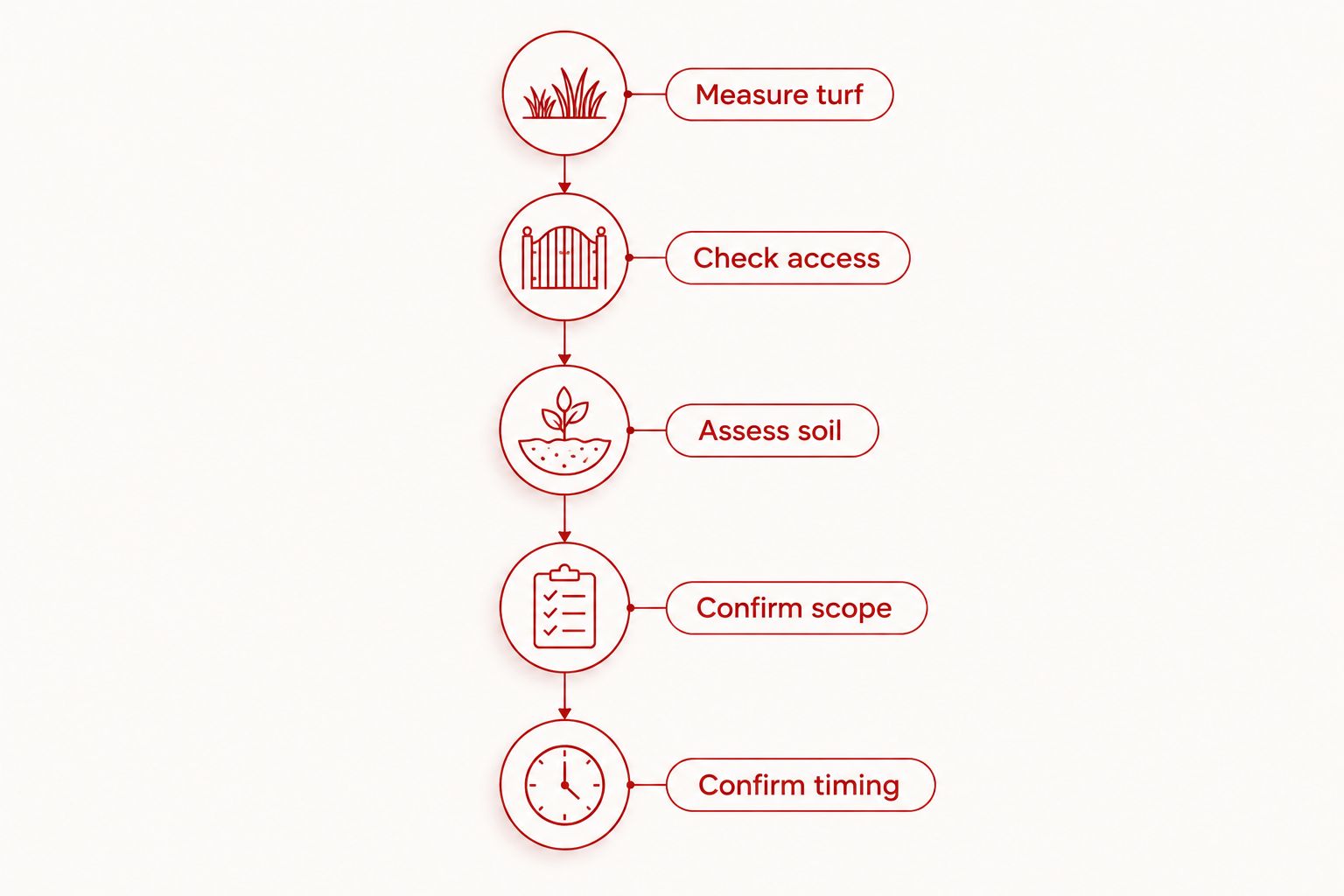
Use this sequence to get an estimate that matches your yard:
- Measure turf. Identify the grass receiving treatment, leaving out buildings, hard surfaces, and planting beds. Separate the front, back, and side lawns if access differs.
- Check access. Describe gates, narrow passages, steps, steep ground, and detached lawn sections. Ask whether the planned machine can reach every area.
- Assess soil. Check whether the ground is dry and hard, moist and workable, or saturated. Soil condition affects whether coring should proceed at all.
- Confirm scope. Establish whether the appointment includes only aeration or also seed, fertilizer, watering setup, or another task. Those are separate parts of the job.
- Confirm timing. Ask for the expected on-site window and what you must finish before arrival. Keep the arrival window separate from the expected working duration.
The distinction matters: an arrival window tells you when someone expects to reach your property. It does not tell you how long the crew will remain there.
For a first appointment, the lawn aeration guide for new homeowners is a related starting point. Bring the same property details to the scheduling conversation so the discussion stays specific to your yard.
What different lawn layouts mean for your schedule
An open lawn gives equipment room to travel and turn. Divided lawns require more transitions, and restricted areas need an access plan before work starts. Neither appearance nor street frontage tells the whole story.
| Lawn layout | Scheduling advantage | Limitation to discuss | Best next step |
|---|---|---|---|
| Open, connected turf | Fewer interruptions between lawn sections | The actual turf area still determines the amount of ground to cover | Provide the treated area and identify fixed obstacles |
| Fenced backyard | A defined work area once equipment is inside | Gate openings and tight turns can restrict equipment access | Check the usable opening and describe the route |
| Separate lawn sections | Each section can be identified in the work scope | Moving between sections adds handling and setup | Explain every transition before booking |
| Sloped or uneven turf | A site review can identify workable areas | Equipment safety and footing can limit treatment | Ask which areas can be treated safely |
A smaller yard is not automatically the simpler appointment. A narrow side passage, enclosed courtyard, or awkward turn can matter more to access than the view from the street suggests. Send a clear description rather than assuming the crew will find another route.
For a 2026 appointment, current photos can help explain obstacles that an older property image does not show. Include new fencing, fresh beds, and any construction that changed the route into the yard.
Why lawn aeration time varies
These are the details to discuss when asking for a property-specific estimate. They describe the work, not a promise about how quickly any particular crew will finish.
- Treated turf area. More grass means more ground to cover. Use lawn area rather than total lot size when describing the job.
- Access and transitions. Gates, steps, disconnected sections, and narrow routes affect how equipment reaches the turf. Identify restrictions before the appointment.
- Obstacles and turns. Trees, beds, play equipment, and fixed landscape features interrupt straight passes. Show which obstacles can move and which must stay.
- Soil moisture. Dry, hard soil resists penetration, while saturated ground is vulnerable to damage. Suitable moisture matters more than keeping an unsuitable appointment.
- Pass coverage. The agreed coverage affects the work involved. Ask how compacted or awkward areas will be handled rather than assuming every section receives identical treatment.
- Additional tasks. Overseeding, fertilizing, and cleanup are not the same operation as aeration. Confirm which tasks belong in the time estimate.
A simple description of these factors makes the scheduling conversation more useful. It also gives you a way to compare estimates without treating the shortest duration as the best answer.
What should you finish before aeration day?
Preparation keeps the appointment focused on the lawn instead of avoidable interruptions. Do not leave access, pets, or hidden equipment for the operator to discover after unloading. Walk the property before the visit and check the route from the unloading area to each section of grass.
Clear the working area
Remove toys, movable furniture, branches, and pet waste from the turf. Move anything that blocks the gate or the route through the yard. Tell the provider about objects that are too heavy or unsafe for you to move.
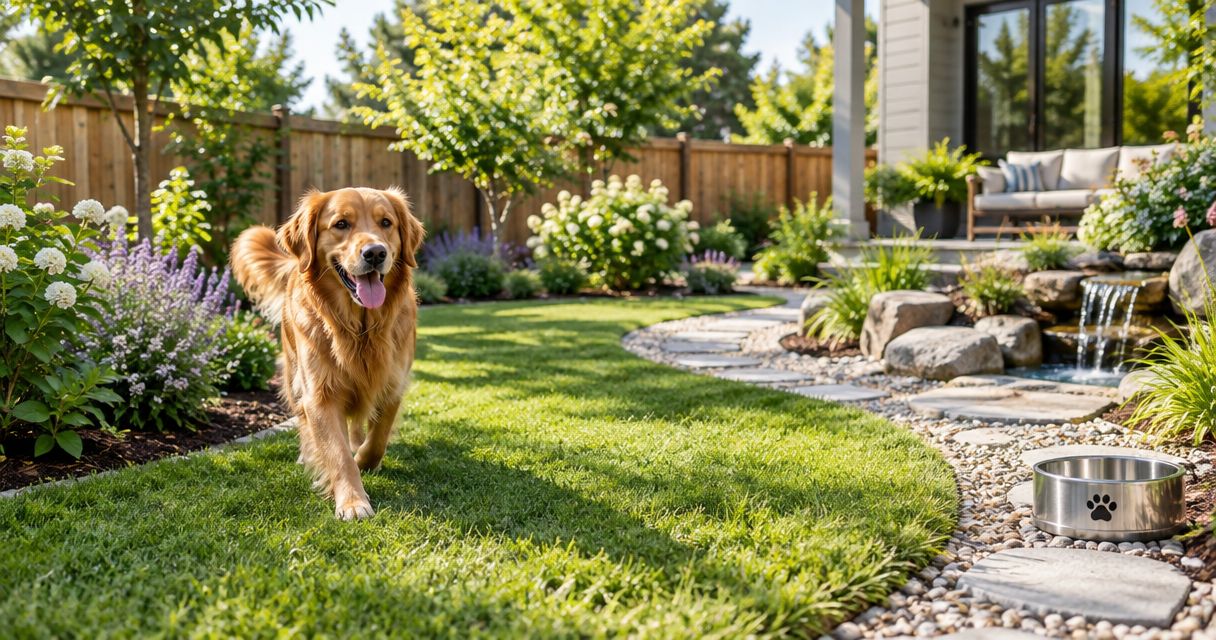
Keep pets indoors or in a separate secure area while equipment is operating. An open gate changes your normal containment arrangement, so decide where pets will stay before work begins.
Mark hidden obstacles
Identify sprinkler heads, shallow irrigation components, and other known items near the working surface. Tell the operator about buried pet-containment wires and other privately installed systems. Do not assume a visible control box reveals where a wire runs.
Ask the provider how those features should be marked. If you do not know the location of a private line, say so before work starts rather than guessing its route.
Discuss mowing and moisture
Ask whether mowing is needed before the appointment and what condition the provider wants the turf in. Avoid cutting extra short simply because equipment is coming. Mowing instructions should suit the grass and the planned work.
For your 2026 visit, follow soil conditions rather than a fixed watering habit. Tell the provider about recent rain, standing water, or very hard ground, and ask whether any preparation is needed. Do not saturate the yard to make it easier to aerate.
Does aeration time include overseeding?
Aeration time does not automatically include overseeding. Seed application is an additional task, and a combined appointment needs a clear scope that covers both operations. Confirm who supplies and applies the seed and what preparation you must complete.
The advantage of coordinating the work is that you can organize access and aftercare together. The limitation is that seeding introduces care requirements beyond the aeration visit. A short appointment does not mean the newly seeded lawn is ready for its usual traffic and mowing routine.
Before booking combined work, ask for the care instructions you will need afterward. Make sure you can follow the watering and traffic guidance rather than choosing a date solely because it is convenient.
Can you use the lawn immediately after aeration?
Access after aeration depends on soil condition and whether seed or other treatments were applied. The end of machine work is not the same as the end of lawn aftercare. Ask when normal foot traffic, pet use, and mowing should resume for the work actually performed.
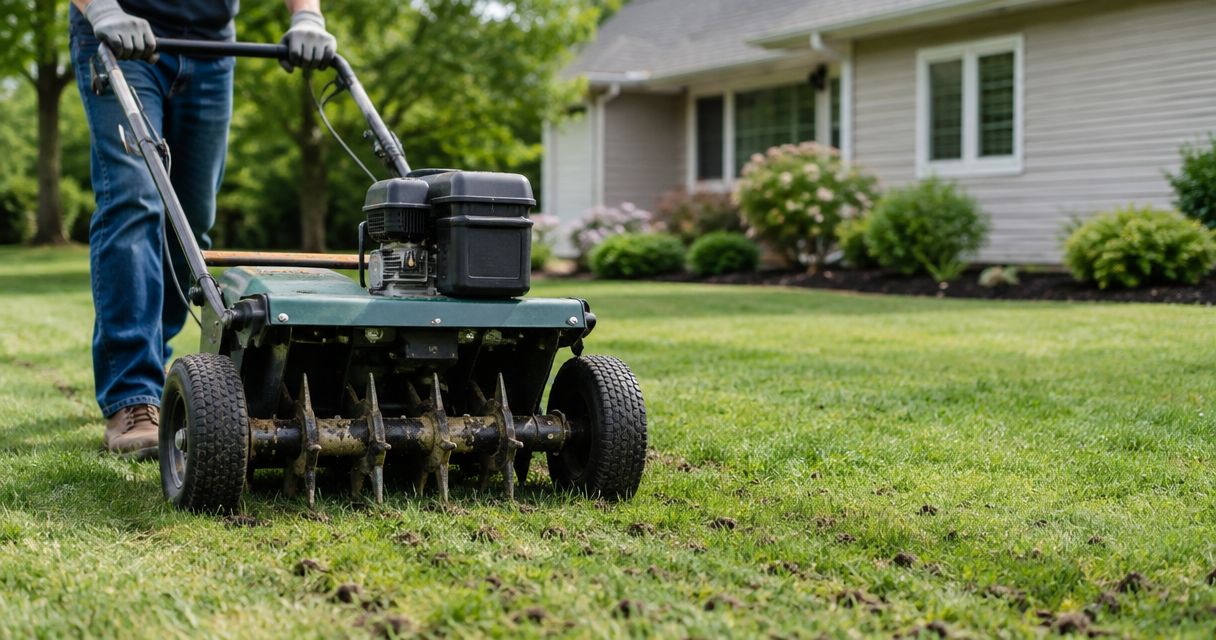
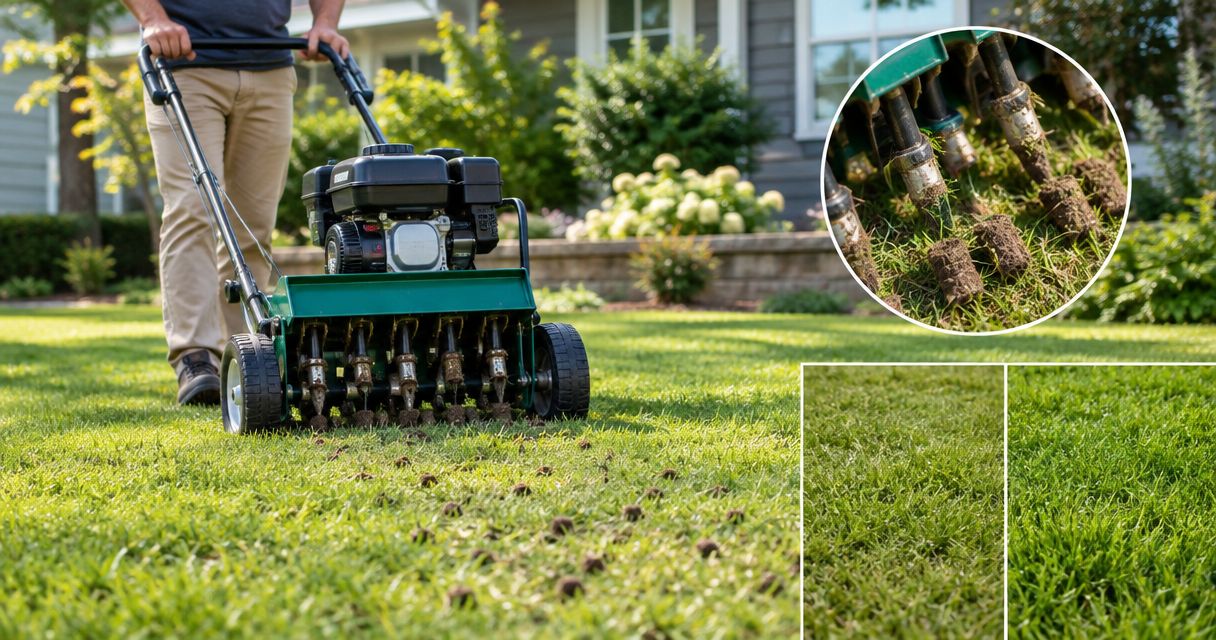
Core aeration leaves plugs of soil on the surface. Those plugs are part of the process, not evidence that the appointment stopped before completion. Ask what should remain on the lawn before deciding to rake or collect it.
Soft soil and newly seeded areas deserve particular care. If you need the yard for a gathering, pet exercise, or another outdoor project, discuss that use before choosing the appointment date. Avoid planning conflicting activities around an assumed recovery period.
Is the quickest aeration appointment the best choice?
The quickest appointment is not automatically the best choice. What matters is whether the agreed lawn area receives the planned treatment without avoidable damage. A fast pass that leaves inaccessible sections unresolved does not answer the same need as a clearly scoped job.
Compare the work description before comparing the estimated duration. Look for a shared understanding of the treated area, access restrictions, soil readiness, and any additional tasks. Ask how a change in conditions will be handled.
Grassgrabbers is a local lawn care option for central Iowa homeowners who want help maintaining their yards. Confirm that your requested work is included before scheduling; a general lawn care description is not a detailed aeration work order.
For 2026 planning, keep a short written record of what you agreed: the areas receiving treatment, your preparation tasks, and the aftercare instructions. That record is more useful than an isolated estimate with no explanation of what it covers.
What should you ask when booking?
Ask direct questions that separate travel, arrival, equipment work, and extra services. You do not need technical language to get a useful answer. You need an agreed description of the job.
- Does the estimated duration cover the full on-site visit?
- Which lawn sections are included, and are any inaccessible?
- What must be cleared, mowed, watered, or marked beforehand?
- What soil conditions would require rescheduling?
- Are seeding or other treatments included in this appointment?
- What should stay on the lawn afterward, and when can normal use resume?
If your 2026 yard plans include drainage work, new beds, or construction, mention those plans too. The work sequence matters: avoid arranging lawn treatment without discussing another project that will disturb the same ground.
FAQ
How long does lawn aeration take on a small yard?
Lawn aeration time on a small yard depends on its accessible turf area, layout, and soil condition. Tight gates and separated lawn sections still need to be included in the estimate.
Does an aeration estimate include setup and cleanup?
An aeration estimate includes setup and cleanup only when those tasks are part of the agreed scope. Ask whether the quoted duration covers the full on-site visit or just equipment operation.
Should I water my lawn before aeration?
Water before aeration only according to the provider's instructions for your soil conditions. The goal is workable soil, not saturated ground, so report recent rain or standing water before the visit.
Does overseeding make an aeration appointment longer?
Overseeding adds a separate task to an aeration appointment. Confirm that seed application is included in both the work description and the scheduling estimate.
Do I need to pick up the soil plugs after aeration?
You generally do not need to pick up soil plugs after core aeration; they can break down on the lawn. Follow the aftercare instructions for the specific work performed, especially when seeding is included.
Can aeration fix standing water in my yard?
Aeration is not a substitute for diagnosing standing water. Compaction, grading, and drainage problems need to be distinguished before choosing the work.
What should I tell Grassgrabbers before arranging lawn care?
Tell Grassgrabbers which lawn areas need attention, how equipment can reach them, and whether you have soil or drainage concerns. Describe your requested work clearly before agreeing to an appointment.
One last thing
Judge the appointment by the agreed work, not the stopwatch. Before equipment leaves, check that the accessible areas in the work order were addressed and that you understand the aftercare. A clear handoff prevents you from undoing useful work by immediately raking plugs, using soft ground heavily, or overlooking instructions for new seed.