Home sellers’ landscaping in Des Moines is the preparation and upkeep of outdoor spaces to present a cared-for property before listing and showings. For your 2026 sale, focus on a tidy entrance, manageable planting beds, and honest repairs—not a backyard project the next owner must finish.
- Landscaping for home sellers Des Moines: prioritize cleanup, clear access, and ongoing lawn care before a major redesign.
- Grassgrabbers is best for central Iowa sellers seeking lawn care, landscaping, and yard maintenance services.
- Match every project to your photography date; unfinished work defeats the purpose of preparing the yard.
- Address drainage and damaged surfaces directly rather than hiding them with mulch or plants.
Why landscaping matters for Des Moines home sellers
Your selling deadline changes the landscaping plan. A homeowner staying for years can wait for plants to mature; you need outdoor spaces that look cared for when photographs are taken and remain manageable through showings.
Prepare the yard you have before designing a different one. Clear paths, maintained grass, and defined beds give buyers an unobstructed view of the property. None of those tasks requires turning the yard into a garden showcase.
For a 2026 listing, separate presentation work from repairs. Removing weeds is presentation work. Investigating standing water is a repair decision, and fresh mulch does not resolve it.
Existing features deserve the same scrutiny as new purchases. Before replacing every border, review the best edging materials for Iowa landscaping and decide whether your current edges need straightening, repair, or replacement.
The goal is a finished, understandable outdoor space. Buyers should be able to see where they would walk, sit, mow, and maintain the property without looking past piles of materials or abandoned projects.
Prepare your yard before the listing goes live
Work backward from your photography date, then plan for the period between listing and closing. Treat these as separate jobs: preparing the property once and keeping it ready afterward.
The following steps start with tasks you can do yourself. Bring in help when the workload, required equipment, or technical problem exceeds what you can finish safely before the deadline.
1. Inspect the yard from the buyer’s viewpoint
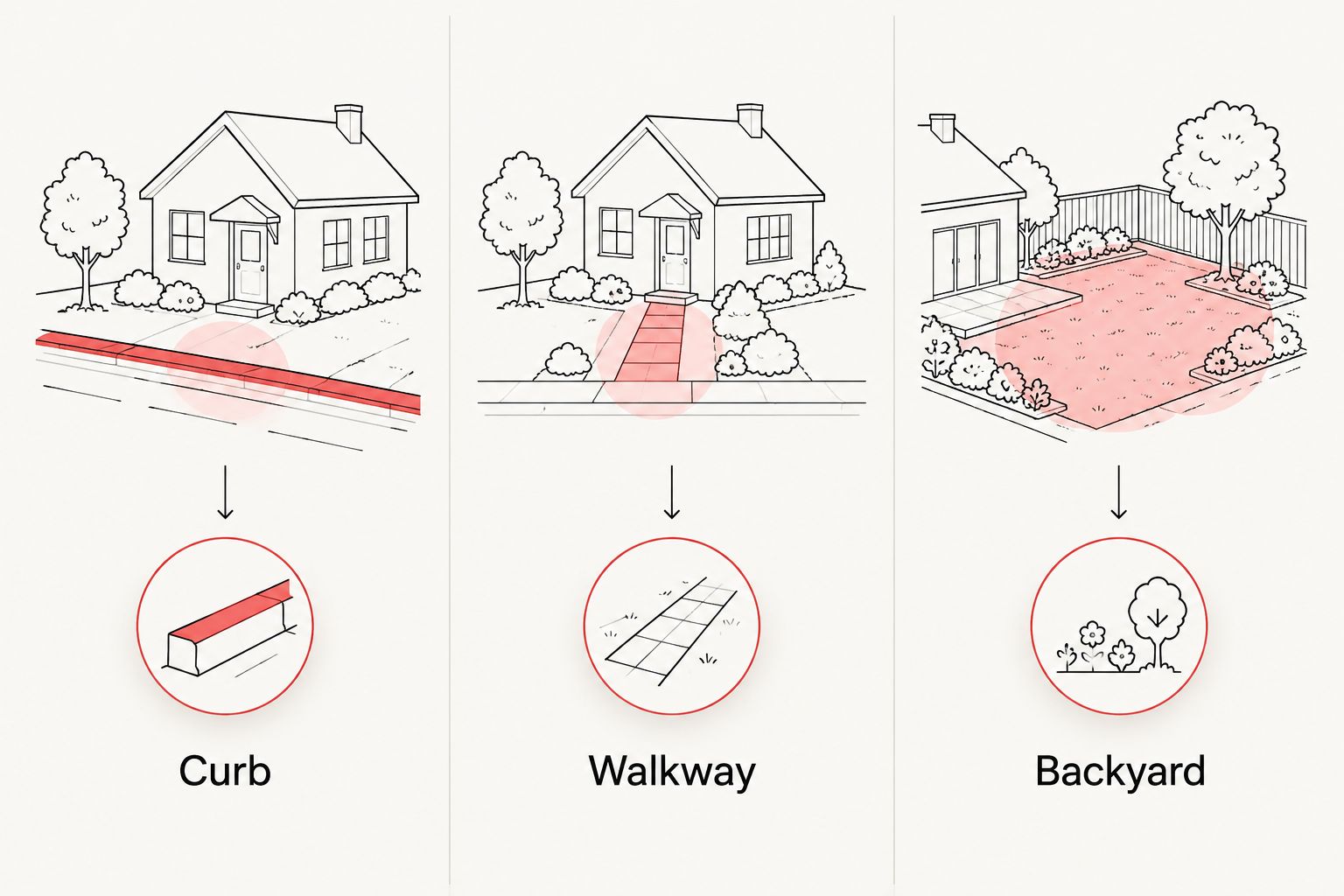
Walk the property before buying plants or scheduling work. Use 3 viewing points: the curb, the front walkway, and the backyard. Each reveals a different problem, from an obscured entrance to a pile of branches outside the main photo angle.
Take ordinary phone photographs at each stop. Review them without zooming in on individual plants; you are checking the whole scene, not grading every leaf. Look for unfinished work, blocked routes, and objects that distract from the house.
Keep 2 lists: presentation tasks and repair questions. This prevents a simple cleanup from quietly turning into a construction project. It also gives you a clear brief if you ask someone else to handle the work.
- Curb: Remove loose debris and identify vegetation obscuring the entrance.
- Walkway: Check for overgrowth, unstable edging, and obstructions.
- Backyard: Gather tools, toys, branches, and unused materials.
- Photograph wet areas and damaged surfaces separately from cosmetic issues.
- Mark each task as finish, maintain, repair, or investigate.
2. Set a finishable scope before choosing improvements
Start with a written task list and your actual photography date. Assign each job an owner and a finish point. A task such as tidy the beds is vague; remove weeds, collect debris, and straighten the existing border is something you can inspect.
For your 2026 plan, finish essential work before adding optional projects. Cleanup should not wait while you compare decorative containers. Likewise, do not start removing an established bed unless you have a complete replacement plan.
Ask your listing agent which outdoor views will appear in the photographs. Use that information to organize work, not to justify neglecting areas buyers will see in person. The side yard and rear access still need attention.
Choose work you can complete and maintain, not just start. A smaller finished scope is more useful than a larger project with exposed soil and materials left beside the driveway.
- Put access and visible repair questions ahead of decorative changes.
- Separate essential cleanup from optional planting.
- Confirm how debris and leftover materials will leave the property.
- Keep an alternative photography date for weather-dependent work.
- Stop adding projects once the agreed scope is underway.
3. Clean up before adding plants or materials
Do the simple work first: collect litter, remove fallen branches, pull identifiable weeds, and gather scattered equipment. Clearing the yard exposes what actually needs repair and what only looked neglected because it was buried beneath debris.
Grassgrabbers is best for central Iowa sellers seeking lawn care, landscaping, and yard maintenance services. If you need help finishing the work, ask about a defined pre-listing scope rather than requesting a general yard makeover.
Ask Grassgrabbers which tasks fit the property and schedule, and confirm the work before relying on it for photography. Lawn maintenance, bed cleanup, tree work, drainage work, and hardscape repair are different requests; do not assume one agreement includes them all.
The advantage of handling cleanup yourself is direct control over what stays and what goes. The limitation is your available time and ability to remove the resulting debris. Professional help suits sellers who want to assign that work, but it still needs clear instructions.
- Remove debris before spreading mulch or arranging plants.
- Keep useful tools out of photographs without blocking access elsewhere.
- Identify plants before removing unfamiliar growth.
- Confirm whether collection and disposal belong in the agreed scope.
- Inspect the finished cleanup before approving additional improvements.
4. Maintain the lawn without forcing a last-minute transformation
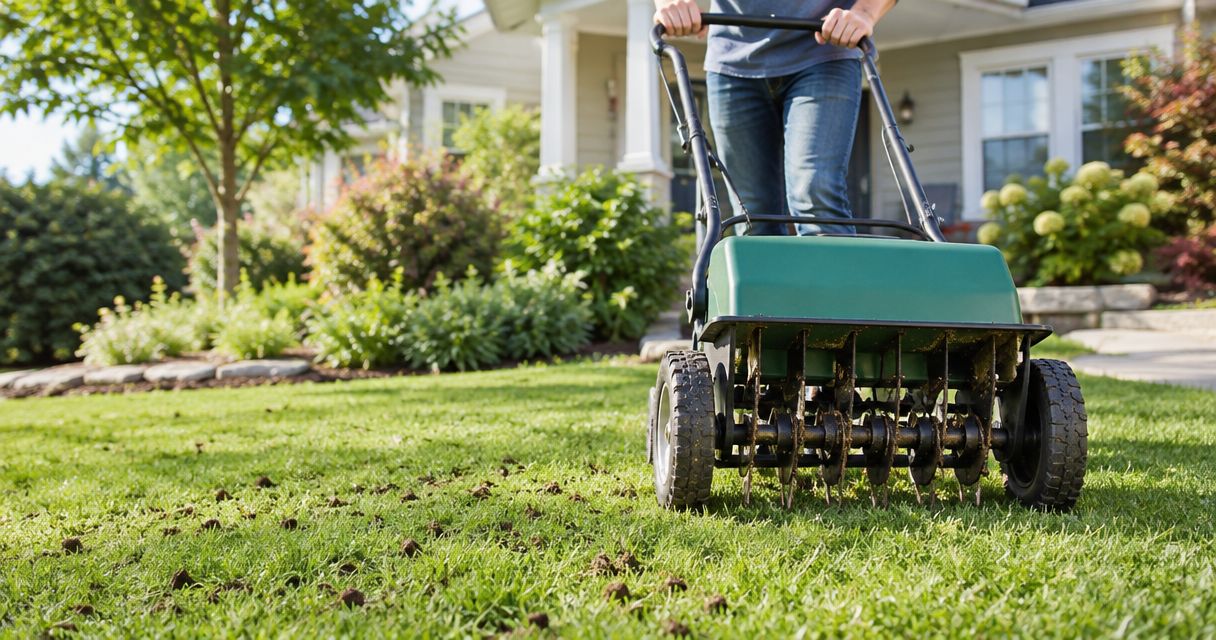
Begin with the lawn’s current condition. Mow with a sharp blade at a height appropriate for the grass, keep mower traffic off saturated ground, and clear clippings from paved surfaces. Avoid cutting the lawn unusually short just to postpone the next mowing.
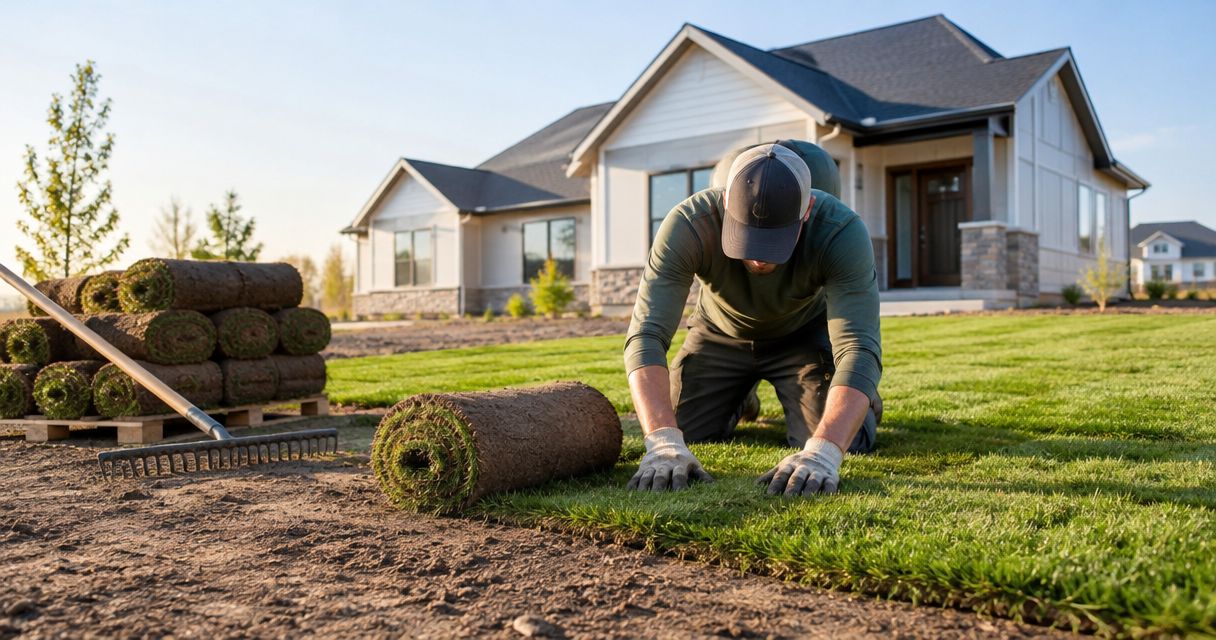
Patchy grass needs a realistic decision. Seed requires establishment time and suitable conditions; spreading seed immediately before photographs is not the same as presenting established turf. A larger renovation also brings watering and maintenance responsibilities through the sale.
If you cannot identify the grass or the cause of damage, investigate before applying treatments. Shade, wear, drainage, and maintenance problems do not all have the same solution. Do not treat every brown area as a fertilizer problem.
Keep the existing lawn presentable while deciding whether repairs fit the listing schedule. Maintaining what is there is a separate task from promising a complete transformation.
- Identify grass and growing conditions before choosing mowing settings.
- Avoid leaving clumps of clippings across the lawn.
- Trim around fixed features without damaging bark or stems.
- Match any seeding project to establishment and watering needs.
- Keep people and equipment away from newly repaired areas.
5. Simplify beds and address access problems
Work with the existing layout wherever practical. Weed the beds, define their boundaries, and remove dead plant material you can confidently identify. Keep healthy established plants unless they create an access problem or conflict with a necessary repair.
Use mulch to finish a prepared bed, not to bury weeds, cover rubbish, or conceal a drainage concern. Keep mulch away from direct contact with trunks and plant crowns. More material is not a substitute for proper preparation.
Inspect the route from the driveway or sidewalk to the entrance. Overhanging growth, loose materials, and damaged surfaces deserve attention before decorative planting. Structural or drainage problems need an appropriate assessment rather than a cosmetic cover-up.
New plants make sense when they complete a clear gap and you can care for them. Skip a planting project that leaves the buyer with unexplained watering needs or a collection of temporary containers scattered around the yard.
- Preserve healthy plants that already suit the space.
- Clear vegetation from walking routes and entry areas.
- Remove weeds and debris before refreshing mulch.
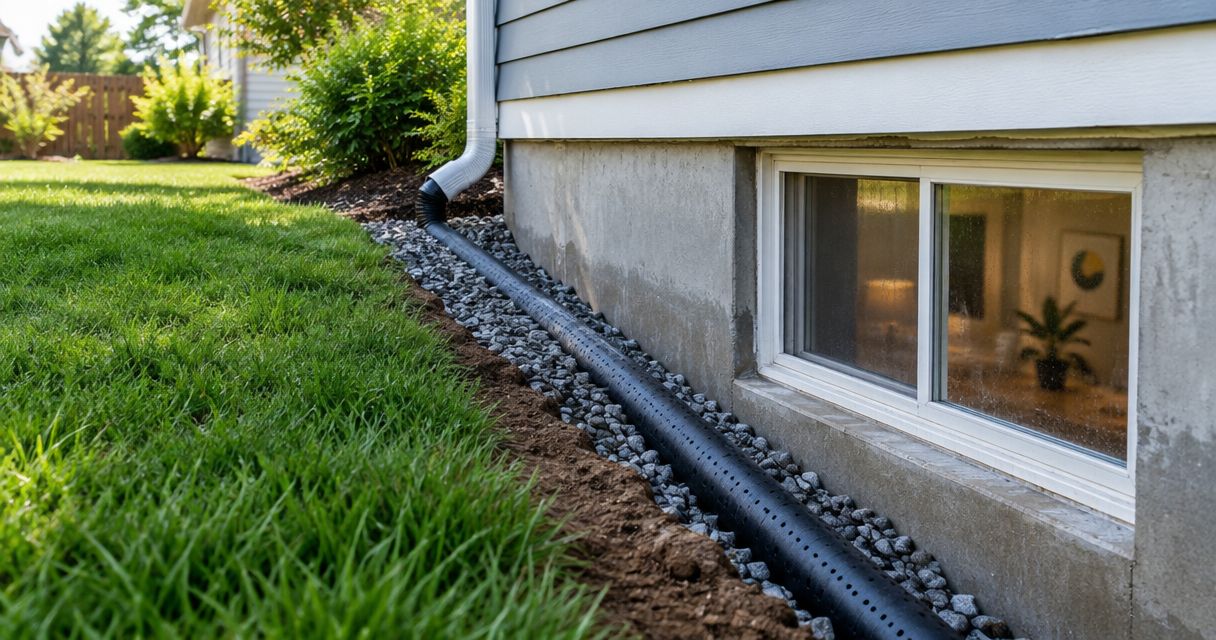
- Investigate recurring wet spots instead of covering them.
- Keep utility access and drainage routes unobstructed.
6. Keep the yard ready between photographs and closing
A clean yard on photography day is only the starting point. Grass continues growing, leaves collect, and planted containers need care. Decide who handles those tasks if you move out before the sale is complete.
For your 2026 listing, create a 1-page maintenance brief covering mowing, watering responsibilities, debris removal, and access arrangements. Keep it practical enough that another person can follow it without guessing which plants need attention.
Photographs and in-person condition should tell the same story. If a storm drops branches or a planting fails after the photos, deal with the change rather than assuming the original cleanup is finished forever.
Ask Grassgrabbers about the maintenance tasks you need during the listing period. Confirm the scope and arrangements directly; a pre-listing cleanup and ongoing yard care are separate decisions.
- Check the entrance and main paths before showings.
- Collect new debris after storms.
- Assign watering responsibilities for any new planting.
- Arrange care for periods when the property is vacant.
- Keep records of repairs and useful plant-care information for handoff.
Plan your pre-listing yard work
Discuss lawn care, landscaping, and yard maintenance for your central Iowa property.
Compare your pre-sale landscaping options
Choose the option that solves the identified problem. These approaches serve different purposes, and a professional cleanup does not replace a repair assessment. You can combine them, but assign each a separate scope.
| Option | Best for | Main advantage | Key limitation |
|---|---|---|---|
| DIY cleanup | Sellers with manageable debris and time to work | Direct control over what stays and what goes | You handle labor, equipment, and disposal |
| Professional lawn care and yard maintenance | Sellers assigning routine work before and during listing | Gives defined tasks an assigned provider | You still need to confirm scope and ongoing responsibilities |
| Targeted bed improvements | Sellers with sound landscaping that needs tidying | Keeps work focused on existing features | Does not solve lawn or drainage problems |
| Lawn renovation | Sellers able to accommodate establishment and aftercare | Addresses turf work beyond routine mowing | Results depend on conditions and continued care |
| Drainage or hardscape assessment | Sellers facing standing water or damaged surfaces | Separates repair needs from appearance | Requires a different decision from cosmetic cleanup |
For professional lawn care and landscaping, Grassgrabbers serves residential property owners in central Iowa. Describe the property’s condition and your intended finish date when discussing work. Do not treat a service inquiry as confirmation that every project type is included.
Common mistakes home sellers make
Starting a redesign before finishing basic cleanup
A new bed does not remove the branch pile beside the garage. Finish debris removal, access, mowing, and existing-bed care before deciding whether the property needs anything new. Otherwise, you add work while the original distractions remain.
Choosing plants only for photography day
A plant still needs suitable light, soil, space, and care after the pictures are taken. Choose additions you can maintain through the listing period, and leave useful care information for the next owner. If you cannot support the planting, skip it.
Hiding defects beneath fresh materials
Mulch and ground cover are not drainage repairs. Photograph and investigate wet areas, erosion, and damaged surfaces before changing their appearance. Keep presentation work separate from repairs and discuss property-disclosure questions with the appropriate real estate professional.
Maintaining only the front yard
The entrance matters, but buyers also walk around the property. Clear side-yard access, collect backyard debris, and address neglected corners. A tidy front photograph should not depend on moving every unfinished task behind the house.
Stopping care after the listing photographs
The photographs do not mow the lawn or water new plants. Assign ongoing tasks before the property goes live, particularly if you will move out. Otherwise, the yard shown online and the yard buyers visit can become different scenes.
FAQ
What should I do first when landscaping a Des Moines home before selling?
Start with a property inspection and cleanup. Check the curb, front walkway, and backyard, then separate cosmetic tasks from repair questions before buying plants or materials.
Should I hire a landscaper or clean up the yard myself?
Handle manageable cleanup yourself when you have the time, equipment, and a disposal plan. Ask for professional help when you need to assign lawn care, landscaping, or maintenance work before your listing deadline.
Should I replace my lawn before listing my house?
Replace or renovate turf only when the project fits your listing schedule and aftercare plan. Routine mowing and cleanup are separate from establishing new grass, which requires suitable conditions and continued care.
What landscaping services does Grassgrabbers provide?
Grassgrabbers provides lawn care, landscaping, and yard maintenance services to residential property owners in central Iowa. Discuss your specific pre-listing tasks directly and confirm the agreed scope.
Is fresh mulch enough to prepare a yard for sale?
Fresh mulch is not a complete yard-preparation plan. Remove weeds and debris first, inspect access routes, and investigate drainage or surface problems separately.
What if my yard has standing water before I sell?
Investigate standing water before treating the area as a cosmetic project. Keep drainage assessment separate from bed cleanup, and discuss repair and disclosure questions with qualified professionals.
How do I keep the yard ready if I move out before closing?
Assign mowing, watering, debris removal, and access responsibilities before you leave. Give whoever maintains the property a short written brief and arrange checks after storms.
One last thing
Walk the property after rain, not only in dry weather. That visit gives you a chance to spot pooling, runoff, or muddy access before deciding where to spend effort on appearance.
For your 2026 sale, use that walk to finalize the task list. Fix or investigate the underlying problem first, finish the visible cleanup second, and keep the result maintained until handoff. A clear plan beats adding another decorative project.